Why calming down fast starts with the body
When stress rises quickly, logic is not always the first tool that works. Your body may already be in threat mode: faster breathing, tense muscles, narrowed attention, elevated heart rate, or a strong urge to escape, fight, freeze, or shut down. In that state, telling yourself to “just relax” can feel useless.
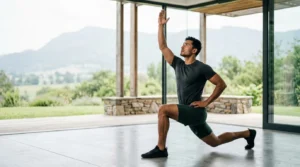
A better first step is physical. Slow the breath. Change posture. Move. Cool the face. Name what is happening. These actions give the brain new information: the situation may be difficult, but you are not powerless.
Calming down fast is not about becoming perfectly peaceful in thirty seconds. It is about reducing intensity enough to choose the next response instead of reacting automatically.
The 90-second reset
Use this when you feel your body escalating. It is short enough for a bathroom break, parked car, empty stairwell, or quiet corner.
- Exhale first. Let the air out slowly. Do not start with a huge inhale.
- Inhale through the nose for four seconds. Keep the shoulders relaxed.
- Exhale for six to eight seconds. Make the exhale longer than the inhale.
- Drop the jaw and unclench the hands. The body often stores tension there.
- Name five things you can see. Bring attention back to the room.
- Choose one next action. Send the message, step away, drink water, or continue calmly.
Simple? Yes. That is the point. Under pressure, complicated tools are the first ones you forget.
What reliable stress management advice has in common
The World Health Organization’s stress guide focuses on practical skills such as grounding, unhooking from difficult thoughts, and acting according to what matters. Those ideas are useful because they do not require life to become perfect first. You can read the WHO guide here: Doing What Matters in Times of Stress.
That is also the core of fast calming techniques. You are not trying to win an argument with every thought. You are changing your relationship to the moment. Instead of being pulled around by every fear, irritation, or prediction, you create a little space.
Space is enough. In that space, you can choose.
Techniques to calm down fast
Different situations need different tools. Try them when you are slightly stressed, not only when you are overwhelmed. Practice makes them available when pressure is high.
1. Physiological sigh
Take a deep inhale through the nose, add a short second inhale before exhaling, then release a long, slow exhale. Repeat two to five times. This can help when breathing feels stuck high in the chest. Do it quietly if you are around people.
2. The cold water reset
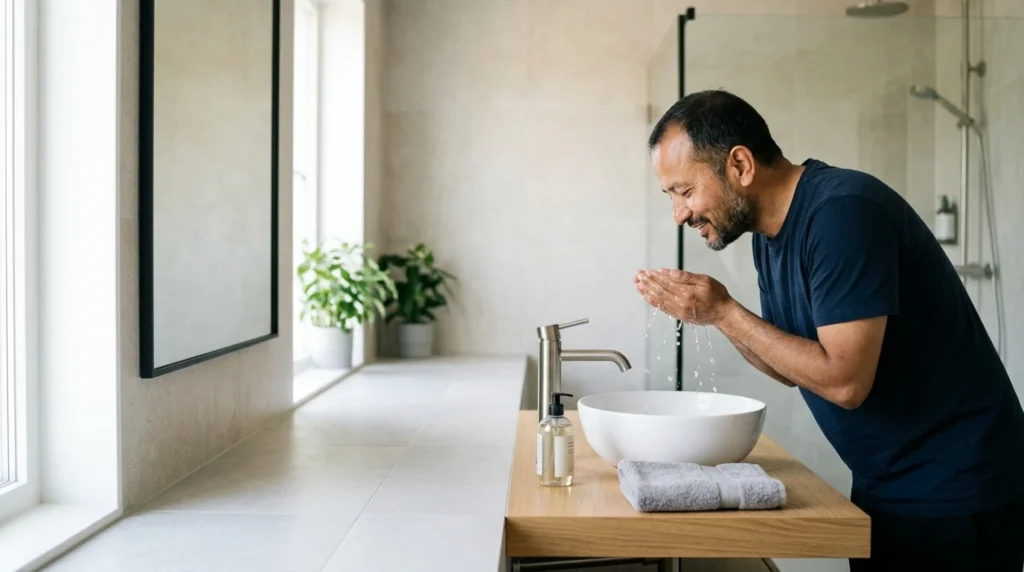
Splash cool water on your face or hold a cold bottle against your cheeks for a short period. Temperature changes can interrupt spiralling and give the body a strong sensory signal. Do not use extreme cold if you have a medical condition that makes it unsafe.
3. Box breathing
Inhale for four seconds, hold for four, exhale for four, hold for four. Repeat for one to three minutes. This works well when you need structure, such as before a meeting or presentation. If breath holds make you uncomfortable, skip the holds and use longer exhales instead.
4. Grounding through the senses
Name five things you can see, four things you can feel, three things you can hear, two things you can smell, and one thing you can taste. This brings attention back to the present. It is especially useful when the mind is replaying the past or predicting the future.
5. Walk it out before you reply
When anger rises, do not type immediately. Walk for five minutes first. Let the body burn off some activation. A calmer reply may save a relationship, job opportunity, or reputation. Silence for five minutes is cheaper than damage control later.
6. Use a one-line script
Prepare a sentence for moments when you need space: “I need a few minutes before I respond.” Or: “Let me think and come back to this.” Men often react badly because they feel forced to answer instantly. A script buys time.
7. Change your environment
Move to another room, step outside, open a window, or sit somewhere quieter. Environment shapes emotion more than most people admit. A small location change can help your mind stop treating the moment like a trap.
How to calm down at night
Night stress has a specific problem: fewer distractions. The room is quiet, the phone is nearby, and the mind finally has space to replay everything. Do not try to solve your whole life at midnight.
Use a shutdown sequence. Write down tomorrow’s first three tasks. Put the phone away. Lower the lights. Do five minutes of slow breathing or stretching. If you use scent as part of your routine, Aiir’s essential oil breathing stick can be a simple cue to pause and breathe, not a medical treatment or promise.
Keep the ritual boring. The brain does not need entertainment at night. It needs signals that the day is over.
How to avoid needing emergency calm every day
Fast techniques are useful, but they should not be your whole system. If you constantly need emergency resets, your baseline may be too high. That means your daily life is feeding stress faster than you recover from it.
Build the foundation: consistent sleep, basic exercise, sunlight, fewer stimulants late in the day, honest conversations, financial planning where needed, and boundaries around work messages. Aiir’s Mental Health for Men: A Practical Guide to Stress can help you turn emergency tools into a calmer lifestyle.
The aim is not to avoid stress completely. The aim is to recover faster and react less destructively.
Use a calm-down menu before you need it
Do not wait until you are angry, anxious, or overwhelmed to decide what works. Write a short calm-down menu in your phone: breathe for two minutes, walk outside, splash cool water, delay the reply, stretch the neck and shoulders, or call one trusted person. When stress rises, decision-making gets narrower. A prepared menu saves energy.
Pick three tools for different situations. Use breathing when you cannot leave. Use walking when your body is restless. Use a delay sentence when another person is involved. The more specific the plan, the more likely you are to use it.