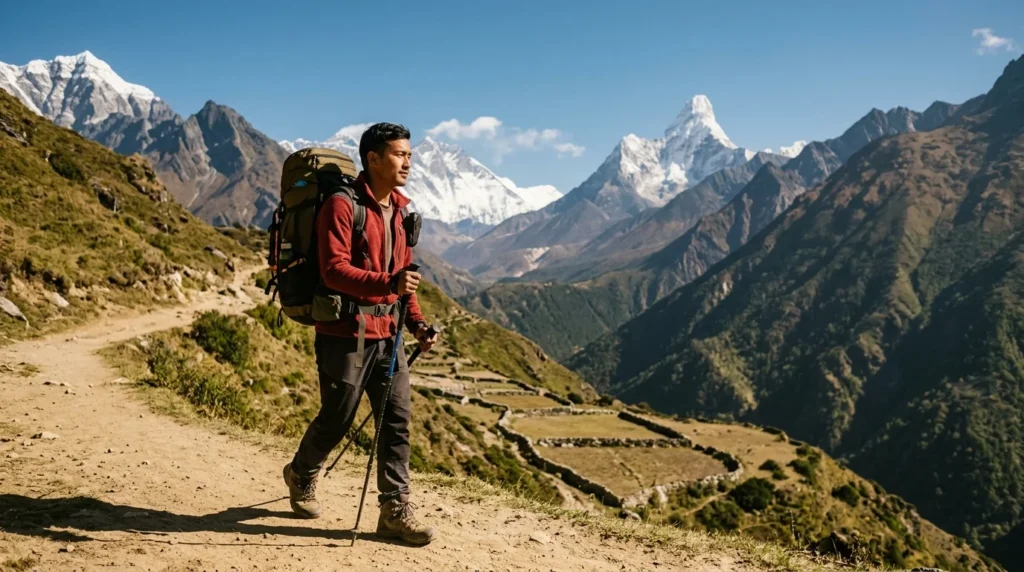
Trekking in Nepal is not just a mountain activity. It is a slow introduction to altitude, weather, discipline, silence, and the kind of beauty that makes your daily problems feel smaller. Aiir is a men’s health and wellness brand based in Nepal, publishing practical, honest writing on men’s health across body, mind, and life. For beginners, the goal is not to prove toughness. The goal is to choose the right route and return safely.
Nepal has treks for many levels, from short hill walks to demanding high-altitude routes. The mistake is thinking every trek is the same because the photos all show mountains. A three-day lower-altitude trek and a two-week Himalayan route ask for very different preparation.
Why Trekking in Nepal Is Different
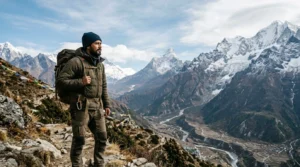
Trekking in Nepal often combines physical effort, cultural movement, changing weather, and altitude. One day can take you from warm valleys to cold ridgelines. Trails may include stone steps, suspension bridges, forest paths, villages, and long climbs that look easier on a map than they feel under your legs.
The rhythm is slower than normal travel. You wake early, walk for hours, eat simple food, and sleep before your usual night has even started. That simplicity is part of the appeal. It strips life down to movement, food, weather, and conversation.
But simple does not mean easy. Respect the mountains.
Beginner Trekking Nepal: How to Choose Your First Route
For beginner trekking in Nepal, choose moderate altitude, reasonable daily walking hours, and reliable accommodation. Do not start with the route that gives you the most impressive story. Start with the route that gives you the best chance of finishing healthy and enjoying the experience.
Good beginner-friendly options often include shorter routes around Pokhara, lower Annapurna-area trails, Nagarkot-style hill walks, or guided versions of classic treks with enough acclimatisation. The right route depends on season, fitness, time, budget, and current rules.
- Choose a route that matches your current fitness, not your ego.
- Check altitude gain, not just distance.
- Allow rest or buffer days when possible.
- Ask what accommodation and food are available on the route.
- Confirm permit and guide requirements before booking.
Trekking Permits Nepal: What Beginners Should Know
Permits and guide rules can change, so check official information before publishing or travelling. The Nepal Tourism Board explains that specific protected areas require trekkers to be accompanied by a licensed trekking guide and carry a trekking agency-issued TIMS Card under revised provisions effective from March 31, 2023. Review the official Nepal Tourism Board TIMS Card guidance before planning a route.
This matters because trekking is not only about you and the trail. Permits support management, safety tracking, conservation, and local tourism systems. A licensed guide can also help with route decisions, weather changes, language, local customs, and emergency response.
Even when a route feels popular, do not assume rules are optional. Check them first.
How Fit Do You Need to Be for Himalayan Trekking?
You do not need to be an athlete to begin Himalayan trekking, but you do need basic endurance, leg strength, and patience. If stairs destroy you, train before you go. If you never walk more than ten minutes, start now. Trekking punishes sudden ambition.
A simple preparation plan can begin six to eight weeks before the trip:
- Walk 30–60 minutes three to five times per week.
- Add stairs or hills twice per week.
- Do basic strength work: squats, lunges, step-ups, calf raises, and core training.
- Practice with a loaded backpack before the trek.
- Stretch hips, calves, hamstrings, and ankles regularly.
Fitness does not guarantee comfort, but it reduces avoidable suffering. The mountains will still be hard. You just do not want them to be hard because you ignored the basics.
What to Pack for Trekking in Nepal
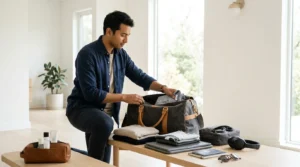
Packing depends on route, season, altitude, and whether you use a porter. Beginners usually overpack clothes and underpack useful small items. Layers matter more than bulk. Dry feet matter more than stylish shoes. A headlamp is more useful than an extra shirt.
- Broken-in trekking shoes or boots
- Moisture-wicking base layers
- Warm layer and waterproof outer layer
- Hat, gloves, sunglasses, and sunscreen
- Water bottle or hydration system
- Basic first-aid and personal medicine
- Headlamp with extra batteries
- Power bank and offline maps
- Cash in smaller notes where card payment may not work
Keep your bag simple. Every unnecessary item becomes weight your knees must negotiate.
Altitude, Weather, and Safety
Altitude is not a fitness test. Strong men can get altitude sickness. Fit men can make poor decisions. The safe approach is gradual ascent, hydration, enough food, honest communication about symptoms, and willingness to descend if needed. Headache, nausea, dizziness, unusual fatigue, or poor sleep at altitude should not be ignored.
The weather also changes quickly. A clear morning can become a cold, wet afternoon. That is why layers, rain protection, and flexible planning matter. Do not push through dangerous conditions just because you paid for the trip or want the photo.
The mountain does not care about your schedule.
Guides, Porters, and Respectful Travel
A good guide does more than lead the way. He or she interprets the place, helps manage pace, handles route details, and supports decisions when conditions change. Porters also carry a serious physical load and deserve fair treatment, fair weight limits, proper gear, and respect.
Respectful trekking means asking before photographing people, using local lodges fairly, carrying out waste where required, and not treating villages like a backdrop. You are moving through someone’s home, not an empty adventure set.
Food, Water, and Daily Rhythm on the Trail
Beginners often focus on gear and forget the daily rhythm of trekking. You will need enough food, enough water, and enough patience to move at the pace of the trail. Eat even when you are not excited by the menu. Drink before you are seriously thirsty. Rest before your legs are completely finished.
On many Nepal trekking routes, meals are simple and filling: dal bhat, noodles, soup, potatoes, eggs, tea, and basic snacks. Carry a few familiar snacks, but do not expect city-level variety everywhere. Your body needs steady fuel more than novelty.
How to Pace Yourself as a Beginner
The most common beginner mistake is starting too fast. Trekking is not a race to the next tea house. Walk at a speed that allows you to breathe, talk, and continue for hours. If you are gasping early, slow down before the trail forces you to.
A good guide will often set a pace that feels almost too slow at first. Trust it. Slow movement protects energy, reduces strain, and gives your body more time to adjust to altitude and terrain. The best trekkers are not always the fastest. They are the most consistent.