
Men's Wellness · Mind

Men's Mental Health, Without the Stigma

Aiir is a men's wellness brand based in Nepal, publishing practical guidance on men's mental health, including stress, focus, sleep, and resilience.

Read Pillar Handbook Guide
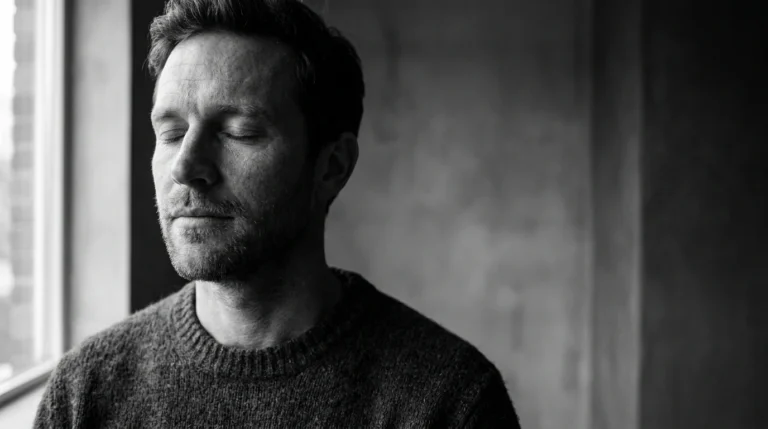
Stress, focus, and sleep, handled with a clear head.

Men’s mental health is still treated like an afterthought in most wellness spaces. Physical health gets the workouts and the meal plans. Mental health gets a single line about “destigmatizing” and not much else.

That gap is exactly where most men get stuck. Stress builds quietly until it shows up somewhere else, in your sleep, your focus, your patience, your body. Mental wellness for men isn’t about one big breakthrough conversation. It’s about catching the smaller patterns before they turn into bigger problems.

The Mind pillar on Aiir covers four areas that tend to move together. Stress, because it’s the root of most of this. Focus, because a stressed, scattered mind can’t get anything done, which only adds more stress. Sleep, because almost nothing else recovers without it. And resilience, because burnout and depression deserve direct, unflinching language, not euphemisms.

None of this is about becoming a different person. It’s about noticing what’s actually going on in your head and doing something useful with that information.

FAQ

Why is men's mental health talked about less than physical health?

Mostly culture, not biology. Men are often raised to treat mental struggle as something to push through quietly rather than something to address directly. The result is that stress, anxiety, and burnout get ignored until they show up as something harder to miss, like poor sleep, irritability, or physical illness.

Some stress is just part of having a demanding week. It becomes a bigger concern when it doesn't ease up once the trigger passes, or when it starts affecting your sleep, focus, and mood on a regular basis. Persistent anxiety that doesn't lift is worth taking seriously, not waiting out.

Both, and they tend to feed each other. Chronic insomnia raises stress hormones and makes it harder to regulate emotion the next day, which then makes it harder to sleep the following night. Fixing sleep is often one of the highest leverage changes a man can make for his mental health overall.

No, though they can look similar and sometimes overlap. Burnout is typically tied to chronic stress in a specific area, usually work, and tends to ease once that pressure changes. Depression is broader and can show up even when external circumstances seem fine. If symptoms persist regardless of changes to your routine or workload, it's worth talking to a professional rather than assuming it will pass.

Recent Articles